Where to dive, month by month
Pick your month and the water you like. The map lights up the destinations that fit, and each one opens its guide: sea temperature, park fees, rules and the nearest recompression chamber, with sources.
Swipe the map sideways to see the whole world. Tap a dot or a numbered circle to see the place.
73 places fit
Sea surface temperature: NOAA OISST, average for the month, 1991–2020. Water at depth and in bays can be colder. Animals are likelihoods, not promises: months come from official sources or dive operators' reports, and say which. Levels come only from official sources; always check with your dive operator.
By month: Jan Feb Mar Apr May Jun Jul Aug Sep Oct Nov Dec · By animal: whale sharks manta rays hammerheads · Warm water in winter · All destinations, with photos
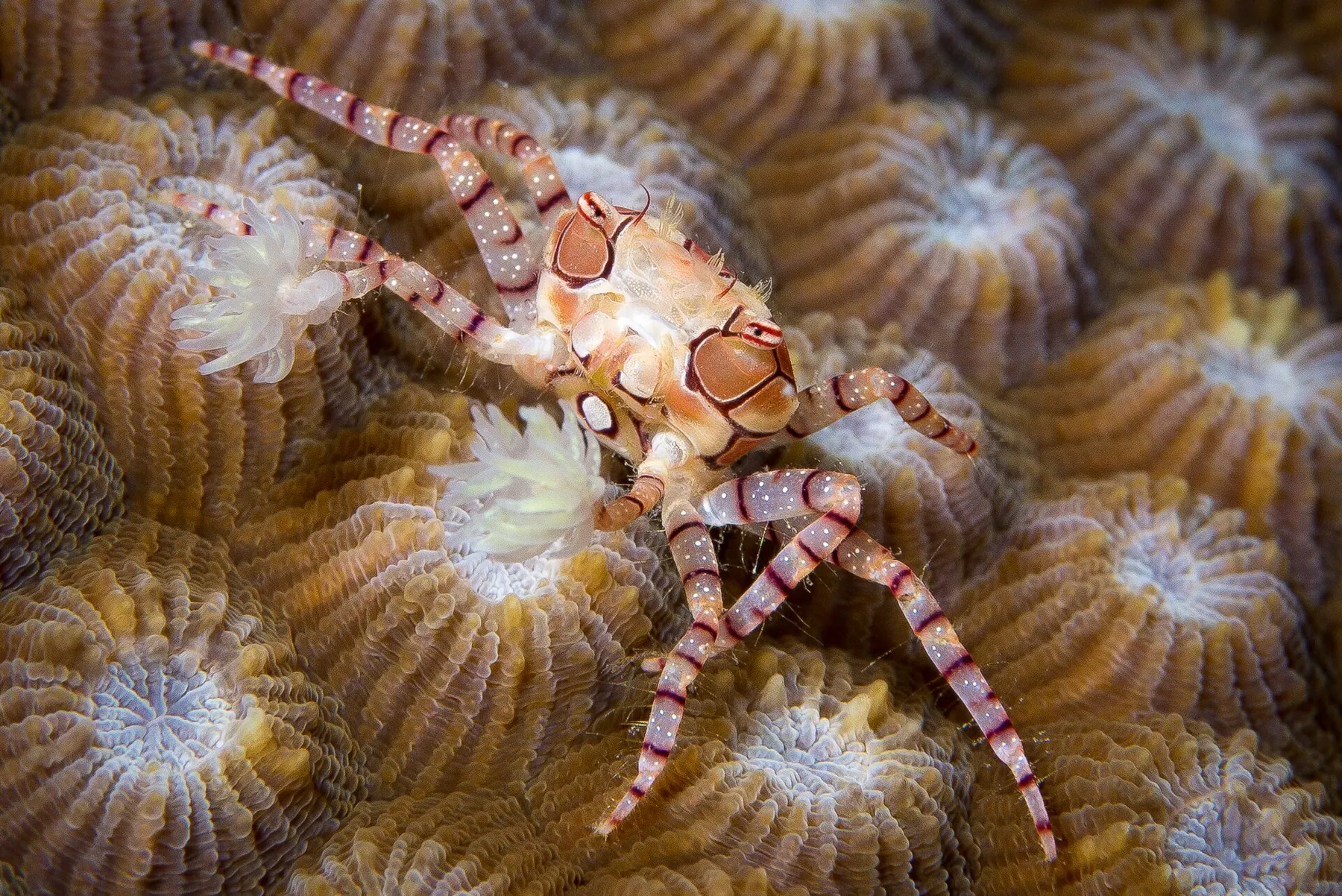
Warmest guide in November
Papua New Guinea
- Sea in November
- 30.1 °C / 86 °F
- From official sources
- 15 facts, chamber listed
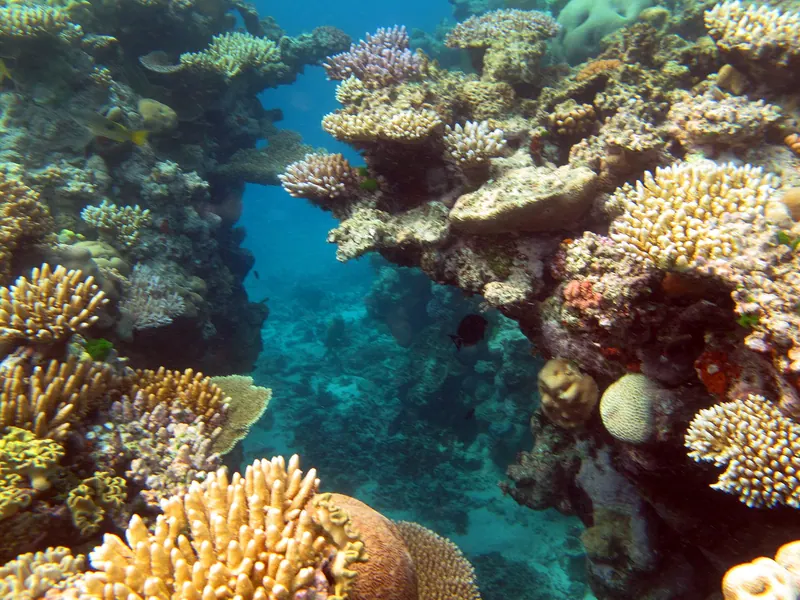
What the water looks like
A coral bommie in the Coral Sea Marine Park, filmed by Ifremer on a reef survey.
How we check
The same steps for every fee, rule, depth and season. Each fact comes from the authority's own page or dataset, with the quote we read and the date we read it, and every guide shows its sources.
The full method is on How we check; every place is on Destinations.
No paid rankings. Some links to trips and gear may earn a commission one day; they will never change the order of a list, and each will say so beside it. How we make money.
| Step | For which facts |
|---|---|
| The official page or dataset is found, and the value and its quote are recorded | Every fact |
| The quote is matched word for word against a saved copy of the page | Every official fact |
| Dive operators' and magazines' reports are used only where no official source exists, and labelled | Animals, seasons, conditions |
Questions
Where do the water temperatures come from? NOAA's satellite record (OISST v2.1), averaged for each month from 1991 to 2020 over the sea near each destination.
Do you guarantee I'll see a whale shark? No. We say when an animal is most often seen and how old the evidence is.
Is this medical or safety advice? No. For fitness to dive, ask a dive doctor or DAN. For conditions on the day, ask your operator.
Have you dived all of these places? No, and we don't pretend to. A diver's own report is always named and dated.
Why are some guides thin? Fees, rules, levels and currents come only from official sources. For animals and everyday conditions we also use dive operators' and magazines' reports, and each one says so. Where we haven't found a source yet, the guide says so.
Found something wrong? Tell us and we'll check it against the source and date the correction.